Khiva: Classic Full-Day Tour
Discover Khiva’s highlights: Itchan Kala, Kuhna Ark, Muhammad Rakhim Khan Madrasah, Islam Khoja Minaret, lunch at Uzbek restaurant, Juma Mosque, Tash Khauli, and Nurullaboy Palace.
Highlights
- Itchan Kala – Ancient walled city and UNESCO site with historic architecture.
- Kuhna Ark – 17th-century royal fortress and khan’s residence.
- Muhammad Rakhim Khan Madrasah – Grand educational center with intricate tilework.
- Islam Khoja Minaret – Tallest minaret in Khiva with colorful glazed tiles.
- Lunch at Uzbek restaurant – Traditional local cuisine experience.
Full description
What's Included
- Hotel Pick-Up and Drop-Off
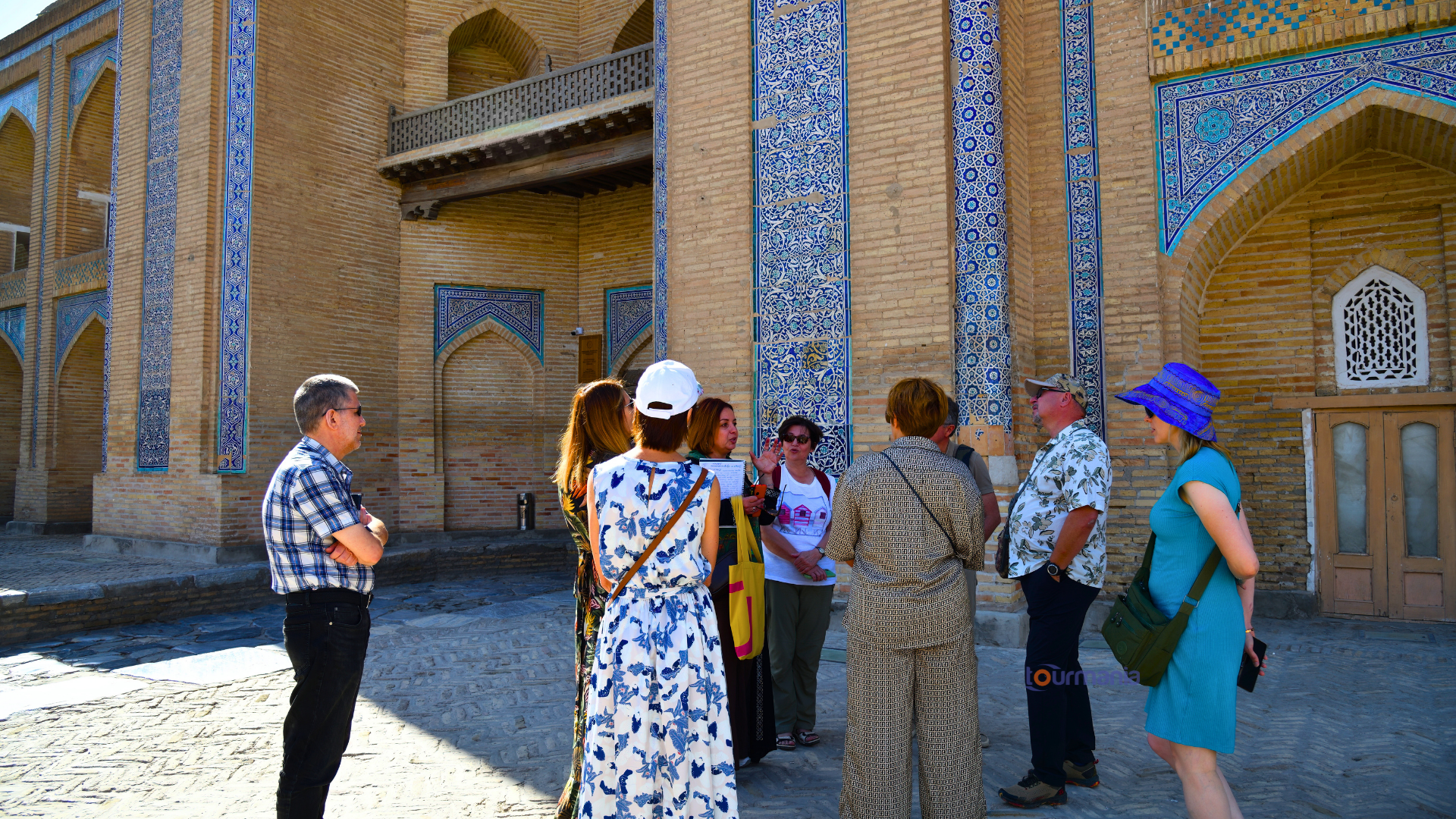
- Professional Guide
- Transportation between sites
- All Taxes
- Admission Tickets
- Food and Drinks
- Personal Expenses
- Tips (Optional)
A bottle of water Sunglasses
Head and Knees should be covered for women.
Free cancellation up to before the experience starts (local time)
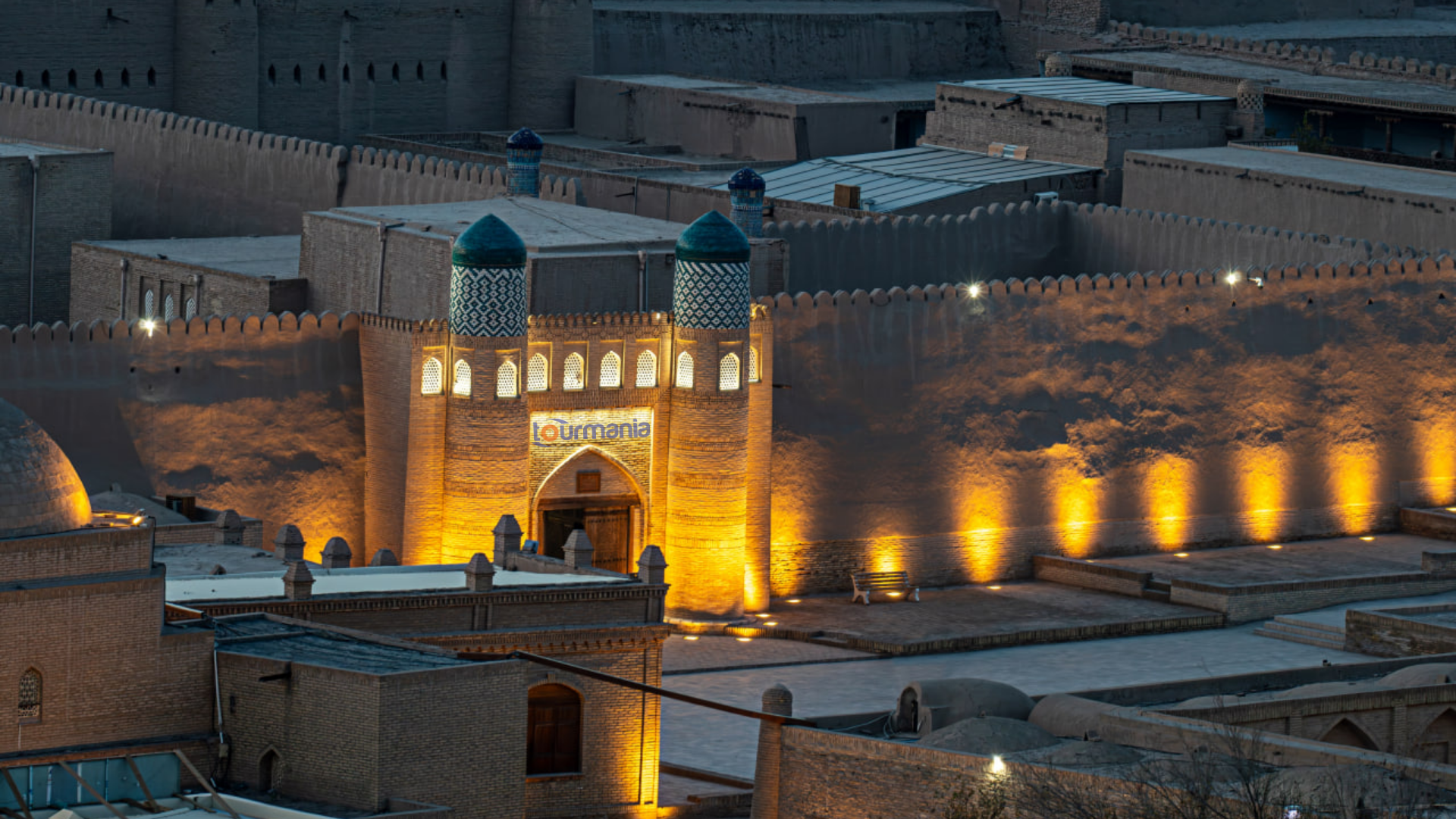
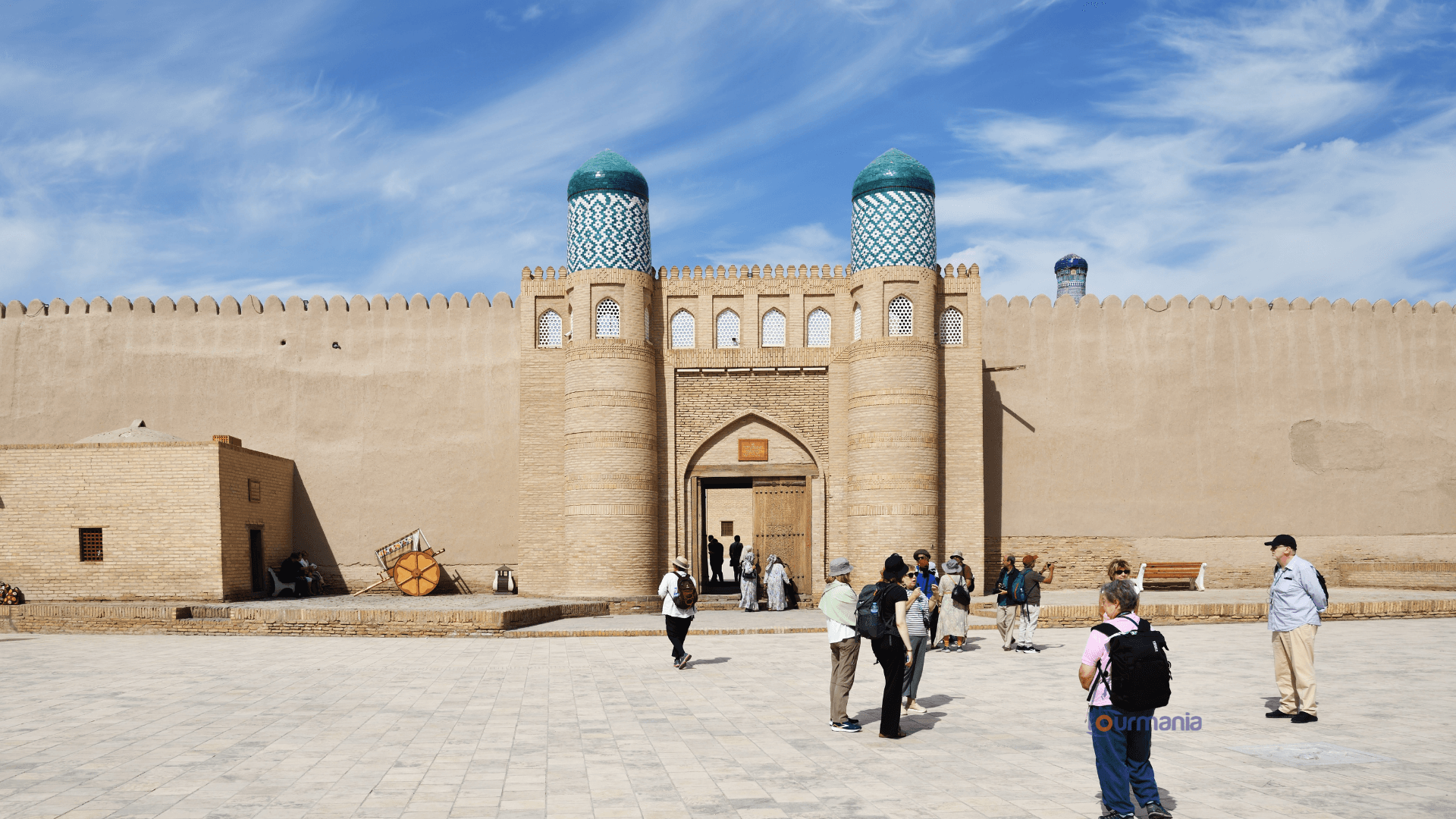
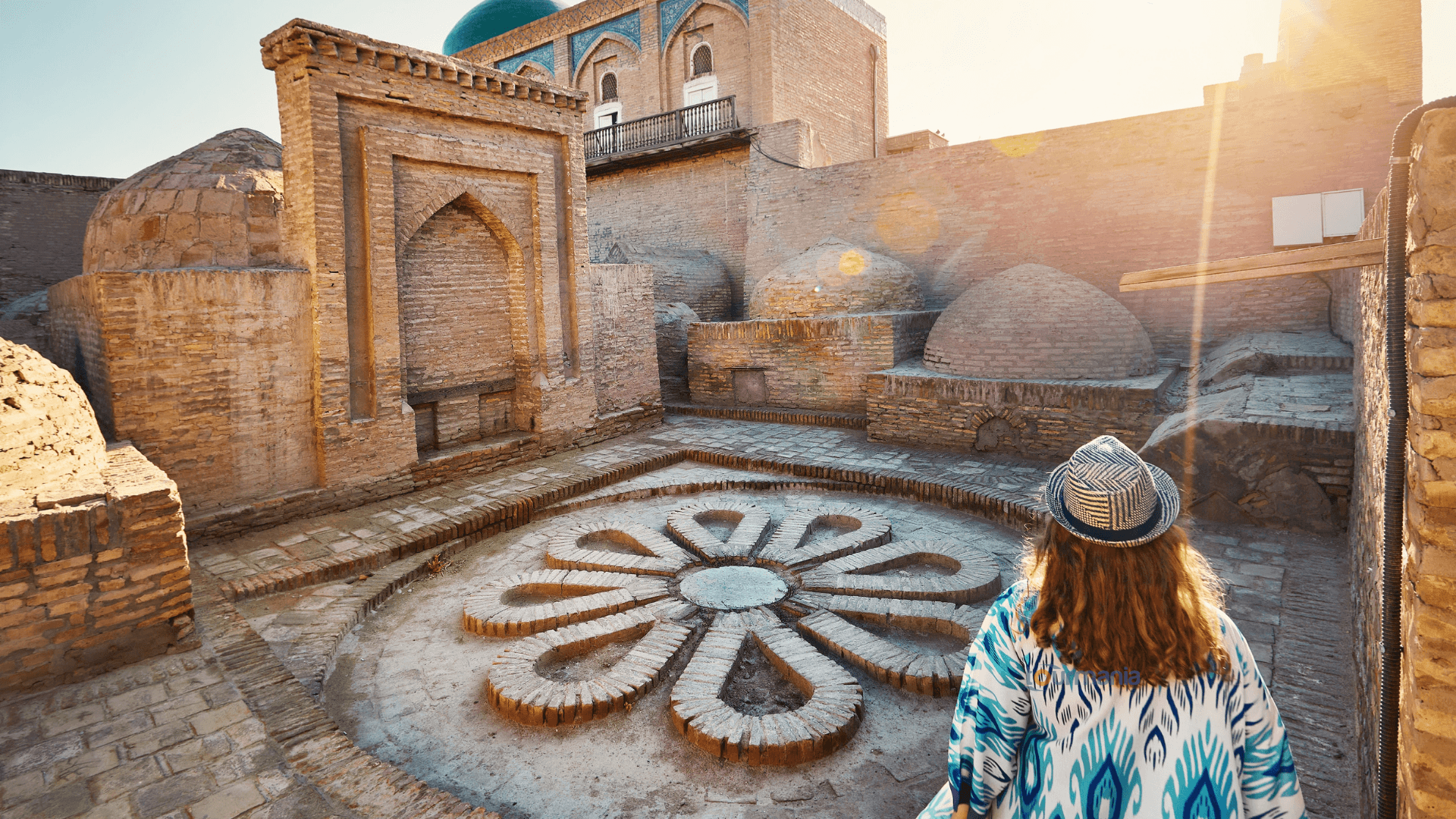
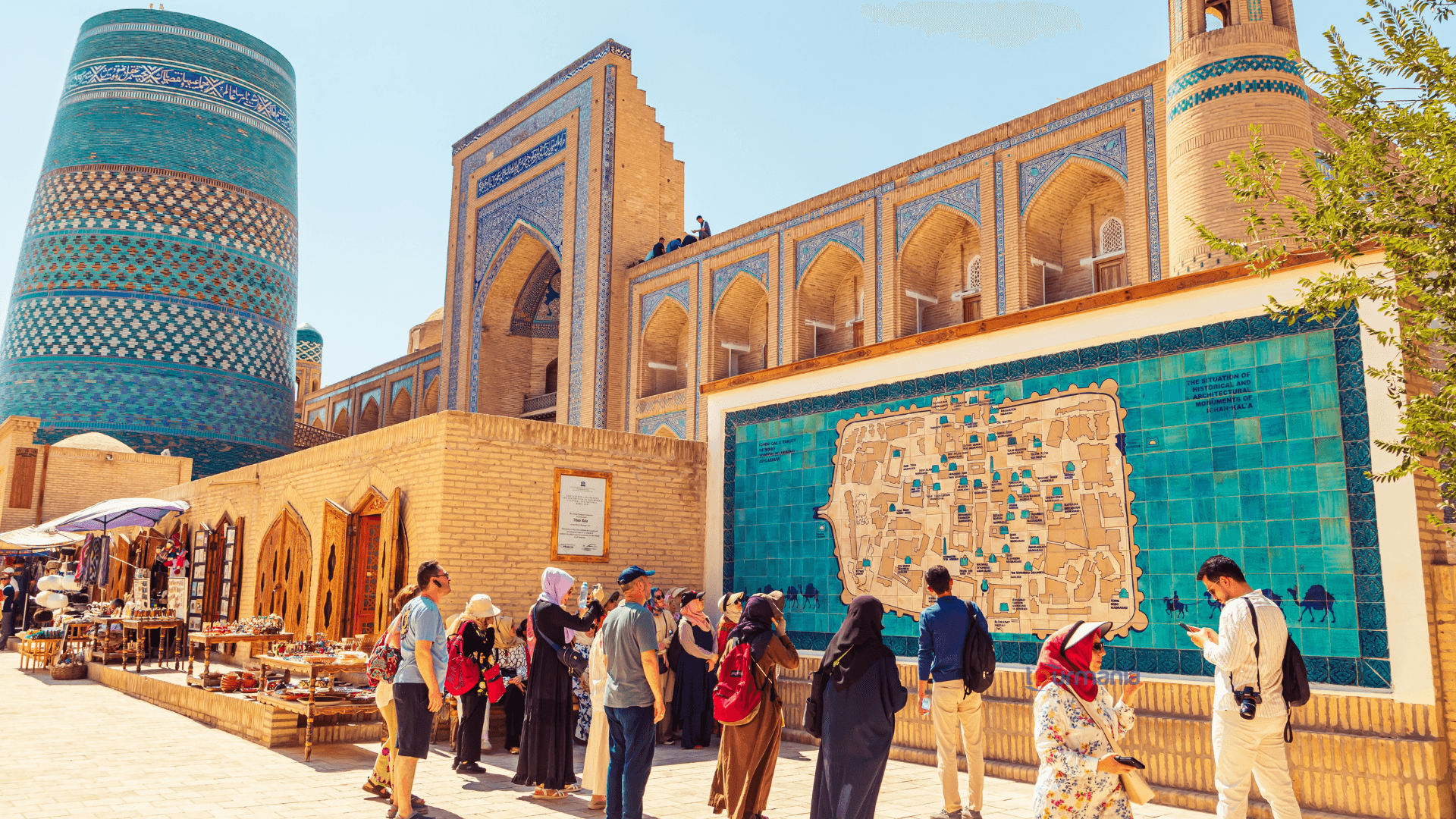
Itchan Kala is the walled inner town of Khiva, Uzbekistan, and a UNESCO World Heritage Site. Surrounded by impressive mud-brick walls, it houses dozens of well-preserved madrasahs, mosques, minarets, and palaces. This open-air museum offers a glimpse into centuries of Islamic architecture and Silk Road history.
Kunya Ark is a historic fortress in Khiva, originally built in the 17th century as the royal residence of the Khiva khans. It contains a series of courtyards, a mosque, throne room, and administrative offices. Located within Itchan Kala, it offers insight into the political and royal life of the Khivan rulers.
Muhammed Rakhim Khan Madrasah, completed in 1876, is one of Khiva’s largest madrasahs, blending religious and secular education. Its architecture features a spacious courtyard, 76 student cells, and intricately decorated facades. This historic site reflects Khiva’s rich cultural and educational heritage.
Nurullaboy Palace was the residence of Nurullah Khan, the last ruler of Khiva, built in the late 19th century. The palace showcases elegant Islamic architecture with intricately carved wooden details, colorful tilework, and spacious courtyards. It offers insight into the lifestyle of Khiva’s final khanate period before Russian conquest.
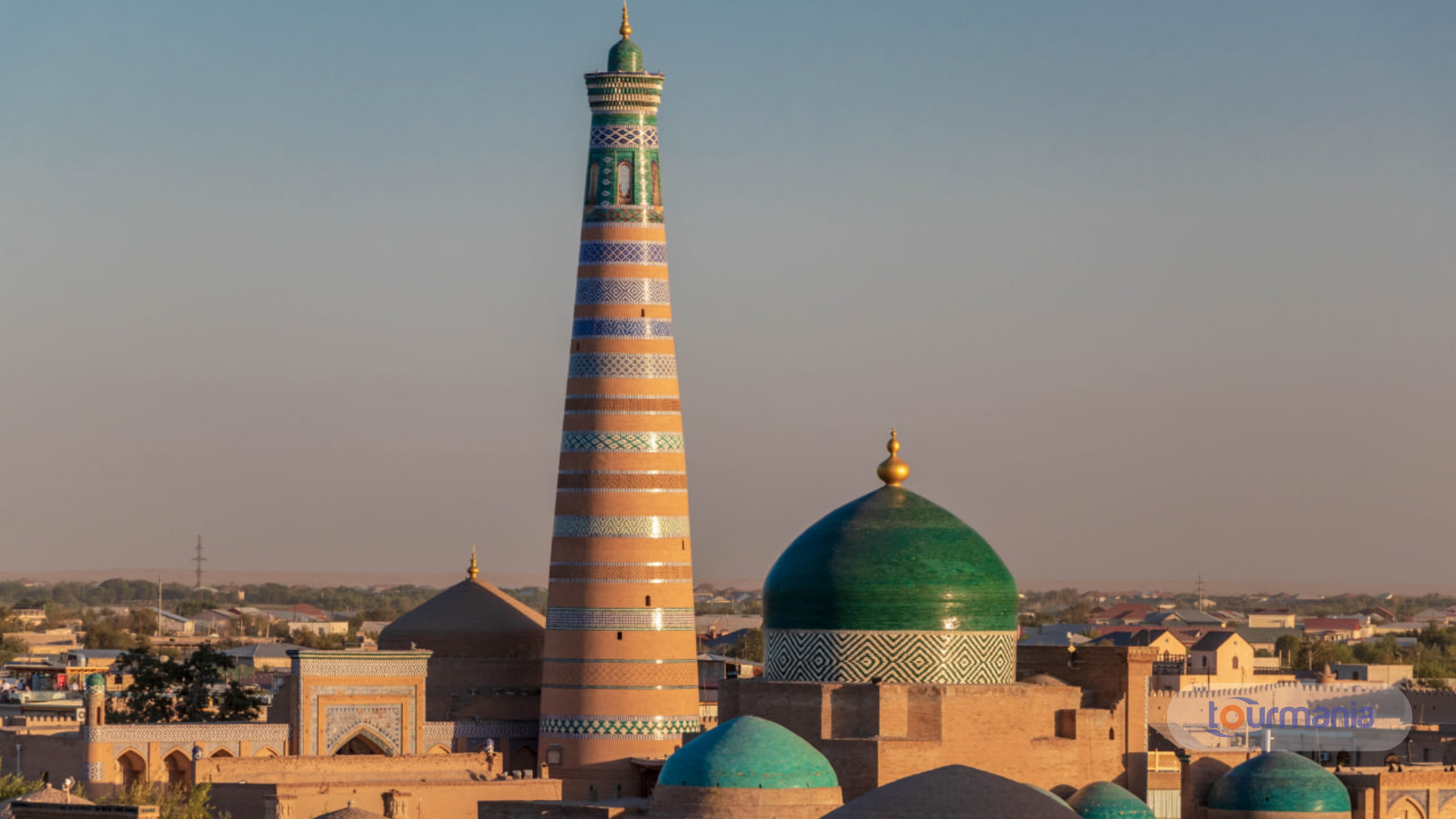
Islam Khoja Minaret – The tallest structure in Khiva, this slender minaret rises 57 meters high and is richly decorated with colorful glazed tiles. Built in 1910, it stands beside the Islam Khodja Madrasah and reflects a blend of traditional Khorezm architecture with modern design elements. Its viewing platform offers breathtaking panoramic views of Itchan Kala and beyond.
Enjoy a delicious lunch at a traditional Uzbek national restaurant, where you’ll taste authentic local dishes like plov, shashlik, and fresh salads. The warm atmosphere and rich flavors offer a perfect break during your cultural journey. Meals are prepared with local ingredients and served with traditional Uzbek hospitality.
Juma Mosque in Khiva is famous for its unique wooden interior featuring over 200 carved wooden columns, some dating back to the 10th century. The mosque’s simple exterior contrasts with its richly decorated hall, creating a serene and historic atmosphere. It remains an active place of worship and a testament to Khiva’s architectural heritage.
Tash Khauli Palace, built in the 1830s by Allakuli Khan, served as a royal residence within Khiva’s Itchan Kala. The palace features richly decorated courtyards, intricately tiled halls, and over 160 rooms, including the harem and throne room. Its stunning architecture and craftsmanship reflect the wealth and power of Khiva’s khans.