



Bukhara: Classic Half-Day Guided Tour
Explore Bukhara’s gems: Lyabi Hauz, Nadir Devonbegi Khanaka, Kalyan Minaret & Mosque, Mir-Arab Madrasah, and the historic Ark Fortress. A journey through faith, power, and beauty.
Highlights
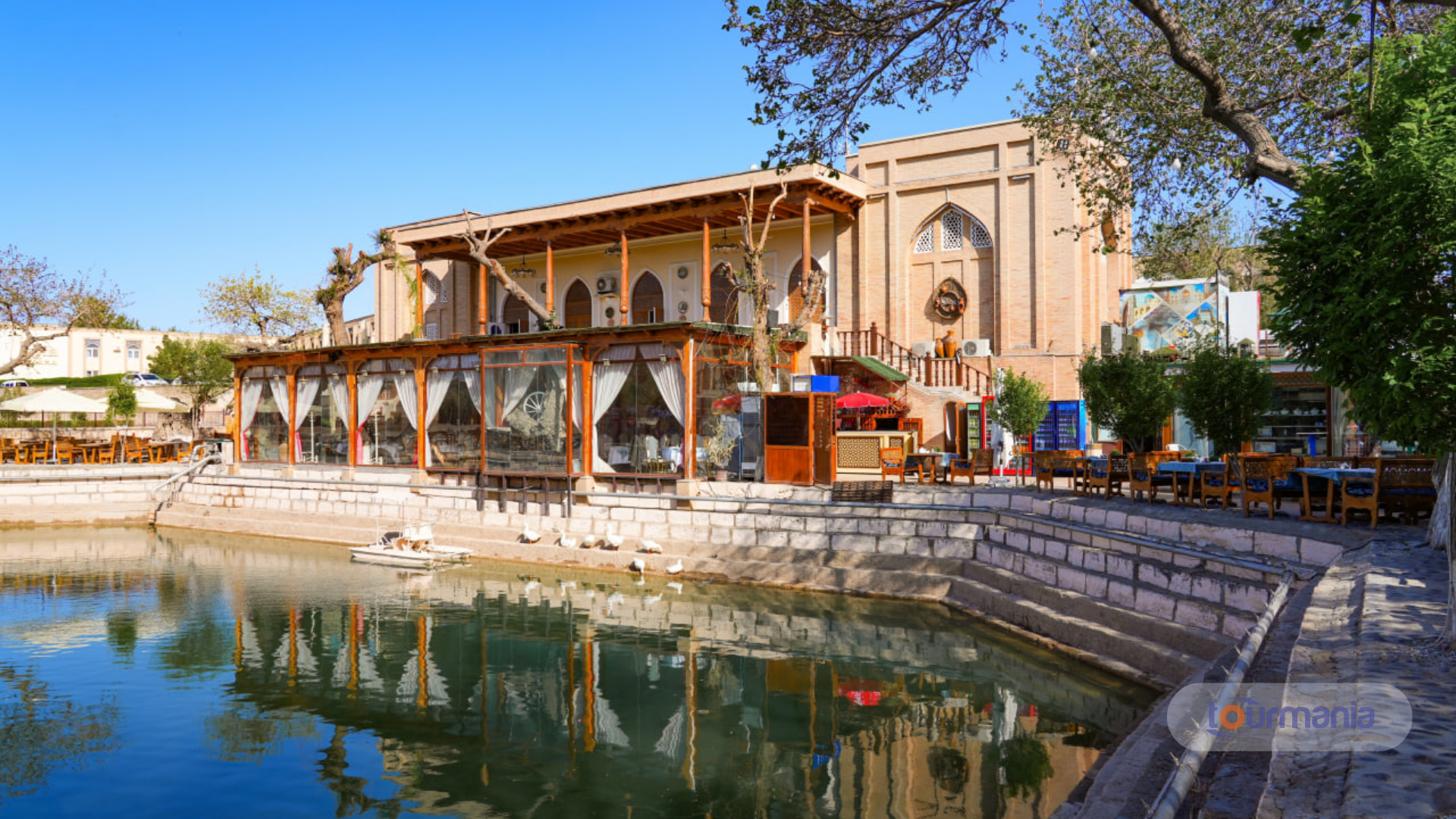
- Lyabi Hauz – Historic square with a tranquil pool and surrounding madrasahs.
- Khanaka Nadir Devonbegi – 17th-century Sufi lodge with ornate architecture.
- Mir-Arab Madrasah – Active Islamic school with rich history and beautiful tilework.
- Ark of Bukhara – Ancient royal fortress with palaces, museums, and historic relics.
Full description
What's Included
- Hotel Pick-Up and Drop-Off
- Professional Guide
- Transportation between sites
- All Taxes
- Admission Tickets
- Personal Expenses
- Food and Drinks
- Tips (Optional)
A bottle of water Sunglasses
Head and Knees should be covered for women.
Free cancellation up to before the experience starts (local time)
Lyabi Khauz is a historic square in the heart of Bukhara, centered around a peaceful pool surrounded by ancient mulberry trees. It’s flanked by beautiful madrasahs and a khanaka from the 16th–17th centuries. Today, it’s a lively social hub where locals and visitors relax, dine, and enjoy the atmosphere of old Bukhara.
Khanaka Nadir Divan-Begi is a 17th-century Sufi lodge located in Bukhara’s Lyabi Hauz ensemble. Originally built as a khanaka (spiritual retreat), it features a grand iwan, richly decorated facade, and serene courtyard. It once hosted dervishes and travelers, reflecting Bukhara’s role as a spiritual and cultural crossroads.
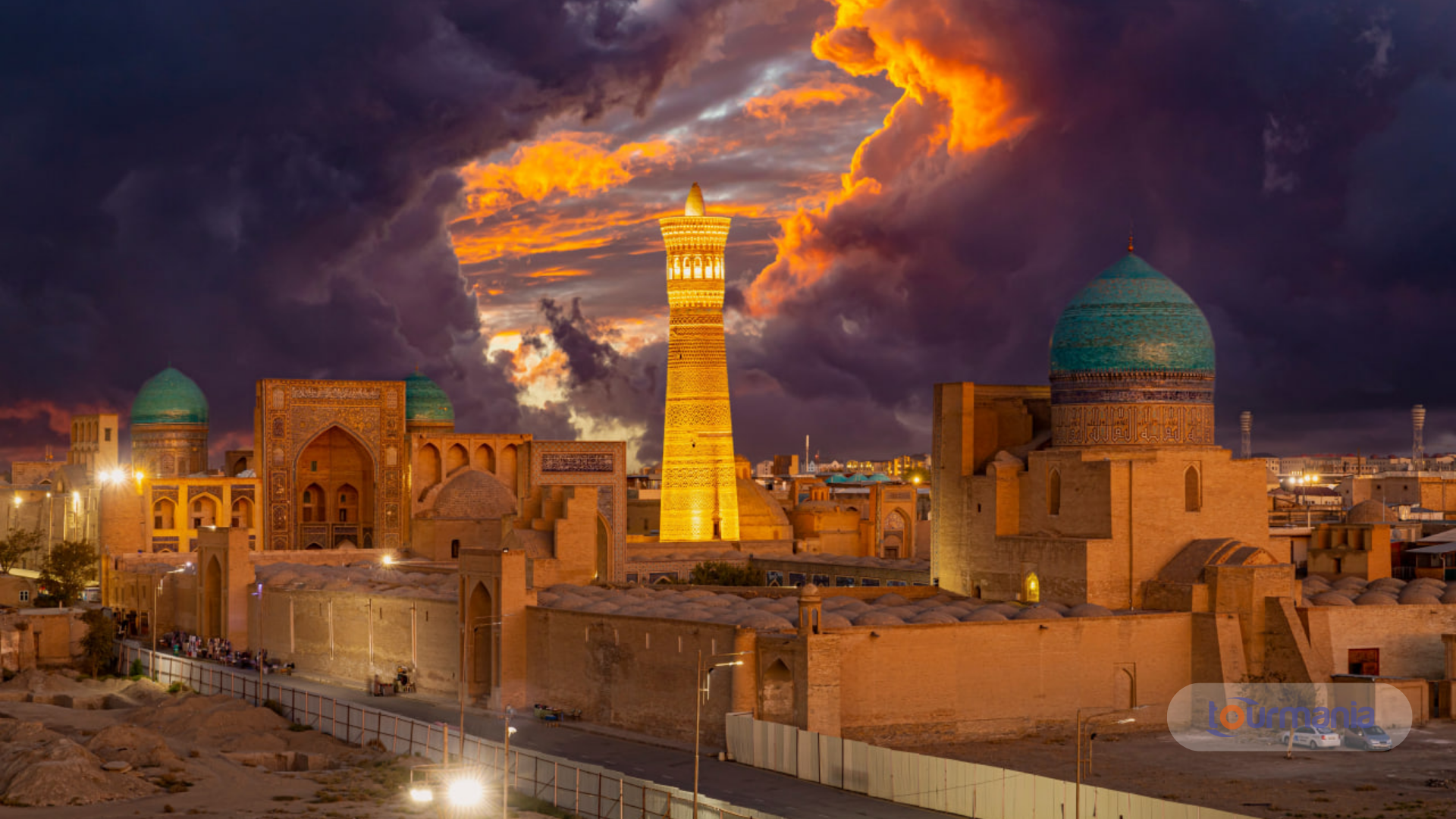
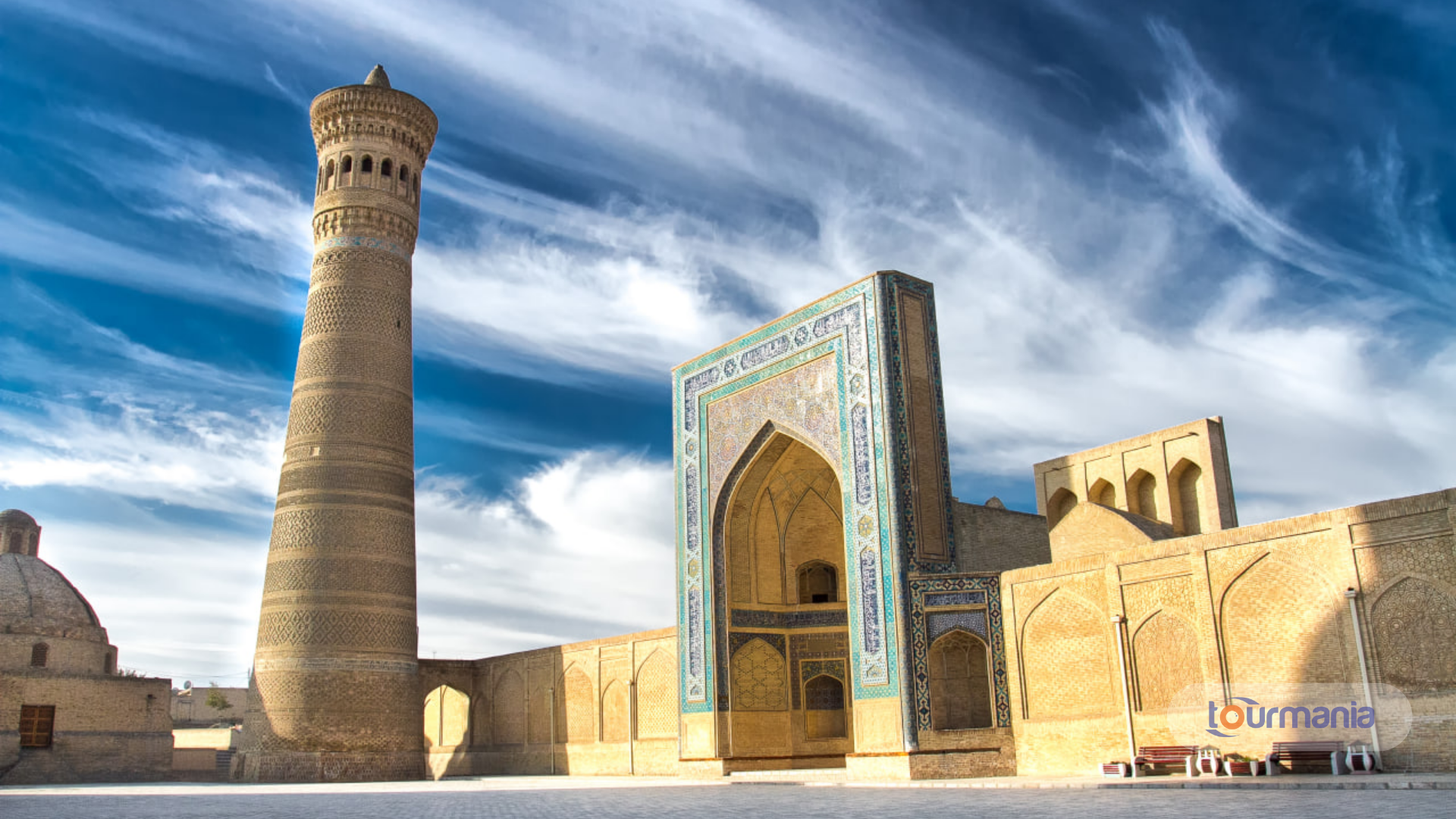
Kalyan Minaret, also known as the "Tower of Death," is one of Bukhara’s most iconic landmarks, built in 1127. Standing 47 meters tall, it once served as a call to prayer and a watchtower. Its elegant brickwork and towering presence dominate the historic Poi Kalyan complex.
Kalyan Mosque is one of the largest mosques in Central Asia, built in the 16th century as part of the Poi Kalyan complex in Bukhara. It features a vast courtyard, a majestic blue dome, and over 200 intricately designed columns. The mosque remains a symbol of Bukhara’s religious and architectural heritage.
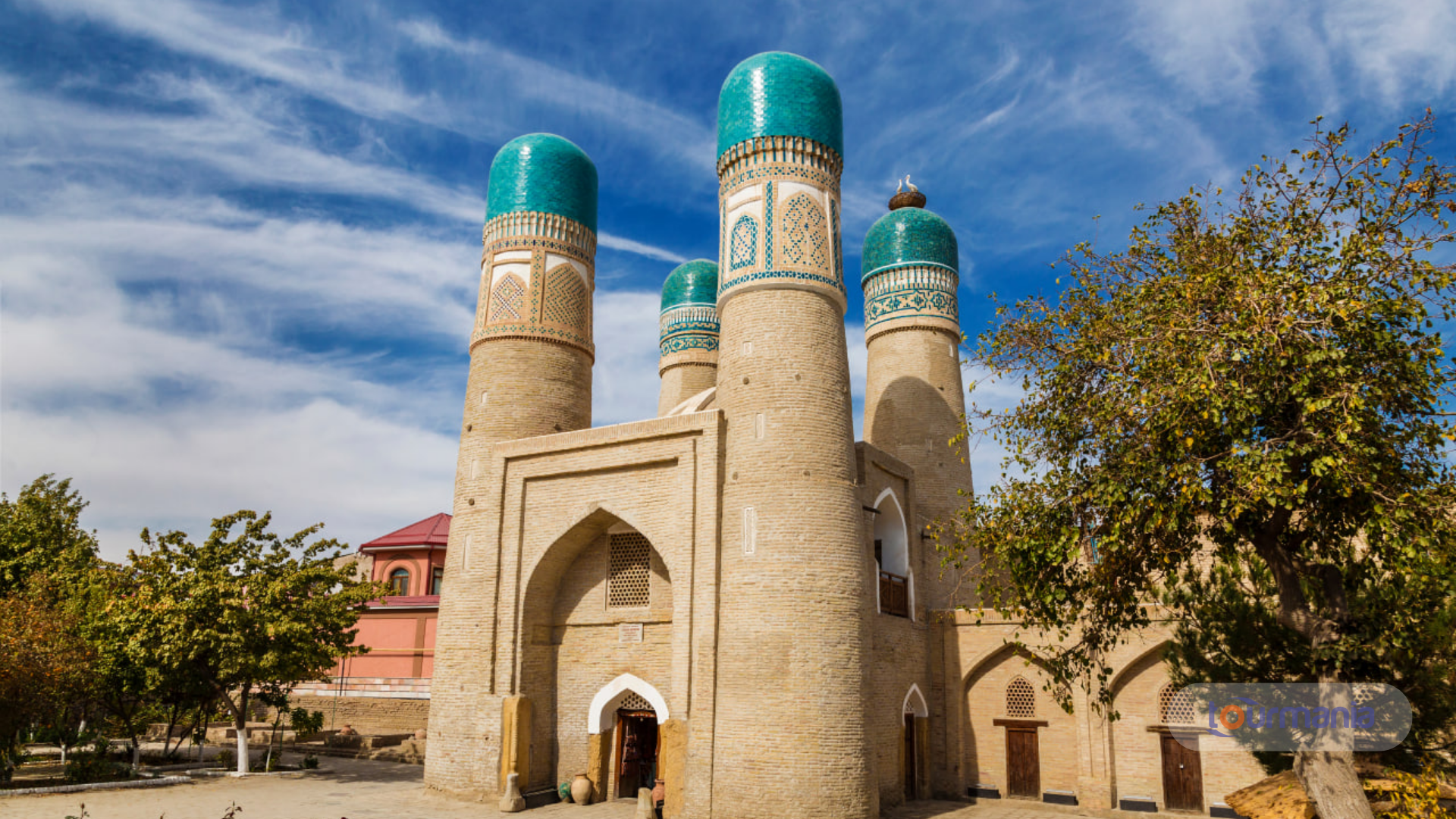
Mir Arab Madrasah is a stunning 16th-century Islamic school located in Bukhara’s historic center. Renowned for its grand facade and beautifully detailed tilework, it remains an active religious and educational site. The madrasah exemplifies Timurid architecture and has inspired many other buildings across Central Asia.
Ark of Bukhara is a massive ancient fortress that served as the royal residence and military stronghold for centuries. Located at the heart of Bukhara, it features palaces, mosques, and government buildings, showcasing layers of history from the 5th century onward. The Ark offers a fascinating glimpse into the city’s political and cultural past.

.png_1920x1280%20(29).png&w=3840&q=75)
.png_1920x1280%20(31).png&w=3840&q=75)
.png_1920x1280%20(30).png&w=3840&q=75)
.png_1920x1280%20(29).png&w=3840&q=75)
.png_1920x1280%20(28).png&w=3840&q=75)
.png_1920x1280%20(27).png&w=3840&q=75)
.png_1920x1280%20(26).png&w=3840&q=75)
.png_1920x1280%20(25).png&w=3840&q=75)